| Cost area | Supported figure (US dollars) | Planning use |
|---|---|---|
| Studio lighting kit | $500 to $2,000, one-time | Buy only if your niche depends on controlled light; otherwise defer it. |
| Camera and lenses | Under $2,000 to tens of thousands of dollars, depending on niche | Choose the niche first, because it sets the biggest single spend. |
| Website upkeep | Around $200 to $500 per year | Treat as a fixed yearly overhead in the budget. |
| Photography insurance | About $400 to $1,200 per year, varying with coverage | Compare what each quote actually covers before choosing the cheapest. |
| Initial marketing | 5 to 10% of revenue | Set marketing as a share of income rather than a lump sum. |
| Basic first-year expenses | $2,100 total in a 2024 estimate covering contracts, insurance, website, gallery host, CRM and accounting | A reference for non-gear overheads; the listed items do not include camera gear. |
The figures are US-dollar estimates from Picdrop’s startup guide and Liz Putnam’s first-year expense estimate.
Learning how to start a photography business comes down to a few early decisions: a niche, registration and finances, modest gear, a portfolio for each genre you sell, and a signed contract before every shoot.
These steps sit inside the broader question of how to start a creative business. This guide covers the photographer-specific choices: what each one costs you, what it protects, and what to do first.
Startup spending: what to buy and what to defer
The largest early cost is usually equipment, but it is not the only one. The New York Institute of Photography advises starting small with purchases and upgrading as the business grows. It also says the budget should cover equipment, marketing and operational costs together. If you spend everything on a camera body, nothing is left for the recurring costs that keep the business open.
Camera and lens spending varies widely with niche, so a niche decision comes before a shopping list. A photographer who needs studio light faces a separate one-time cost; one who shoots in natural light can leave that line empty for now.
- Gear: buy what the first paid jobs require and upgrade from earnings. A staged approach keeps the business solvent if bookings arrive slowly.
- Insurance: the NYIP recommends cover for both the business and your equipment. According to Liz Putnam, equipment insurance covers damage and theft of gear used for business purposes, so it matters most once your kit is your main asset.
- Tax reserve: photographer Elle Michele lists not setting money aside for taxes from the very beginning among the common early mistakes. Move a portion of each payment into a separate account from the first booking.
Once the costs are known, they feed straight into what you charge.
Pricing from your budget
Photographers set their own rates, as Picdrop’s guide points out, and that freedom is also the difficulty. No single figure suits every photographer. The NYIP says your price package will likely come from the numbers you produce when budgeting, so that the business is both affordable for clients and profitable for you.
That gives you a working method rather than a market average to copy:
- Start from your costs. Add up equipment, insurance, website, software and tax reserve, then make sure each package contributes to them.
- Match packages to the niche. A package that lists shoot time, editing turnaround and deliverables is easier to compare and defend than a bare hourly figure.
- Expect professional presentation to support higher rates. Putnam says a properly set-up business helps you charge more. Treat that as a likely effect over time, not a guarantee on day one.
Photographers who also sell prints or physical products can borrow the costing logic in how to price handmade products, although the service side of the business still starts from your own budget.
Contracts that protect each shoot
A contract decides what the client is buying, when you deliver and what happens if plans change. The NYIP says to have a contract signed by both parties before beginning a job. Elle Michele says any session where you are taking pictures should have one, including sessions you give away. Putnam adds that contracts should be in place as soon as you take your first client.
A practical clause checklist, drawn from the NYIP’s list of terms:
- Set price: the agreed fee, so there is no later dispute about cost.
- Shoot time: the length of the session you are committing to.
- Copyright: who owns the images and how the client may use them.
- Cancellation policy: what happens to the booking and any payment if either side backs out.
- Editing turnaround: when the client can expect finished work.
- Deliverables: what the client actually receives.
Use this as a starting list, not as legal advice. A template reviewed by a professional who knows the rules where you work is safer than one assembled from a blog post.
Building a portfolio before the first client
A portfolio is the proof that lets strangers hire you. Photographer Paul David Smith puts it bluntly: nobody will pay if they cannot see similar work. His advice is to build a portfolio of images relevant to every genre of photography you wish to offer.
The consequence is that every extra genre multiplies the work before launch. A photographer who offers one or two genres can show a convincing body of work sooner than one who lists everything. Pick the genres you can illustrate well now, and add others as examples accumulate.
Website and image delivery
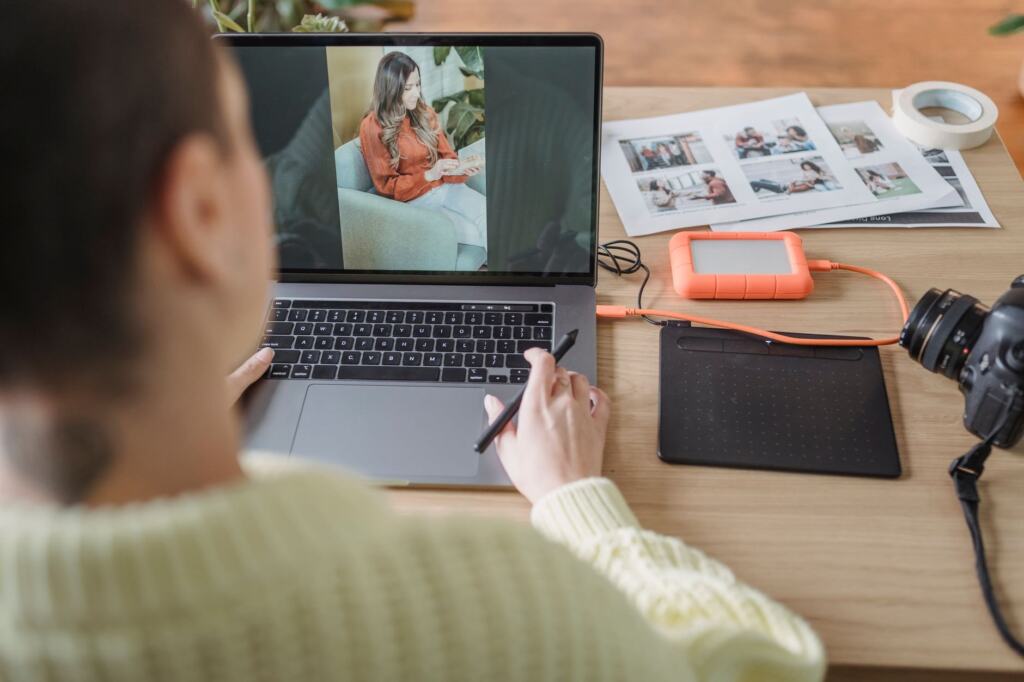
Putnam calls your website and web presence your business storefront, giving you control over how clients reach you. She also notes that most photographers now deliver images online, so the same web setup can double as your delivery channel. That is why gallery hosting appears in the first-year cost estimate above.
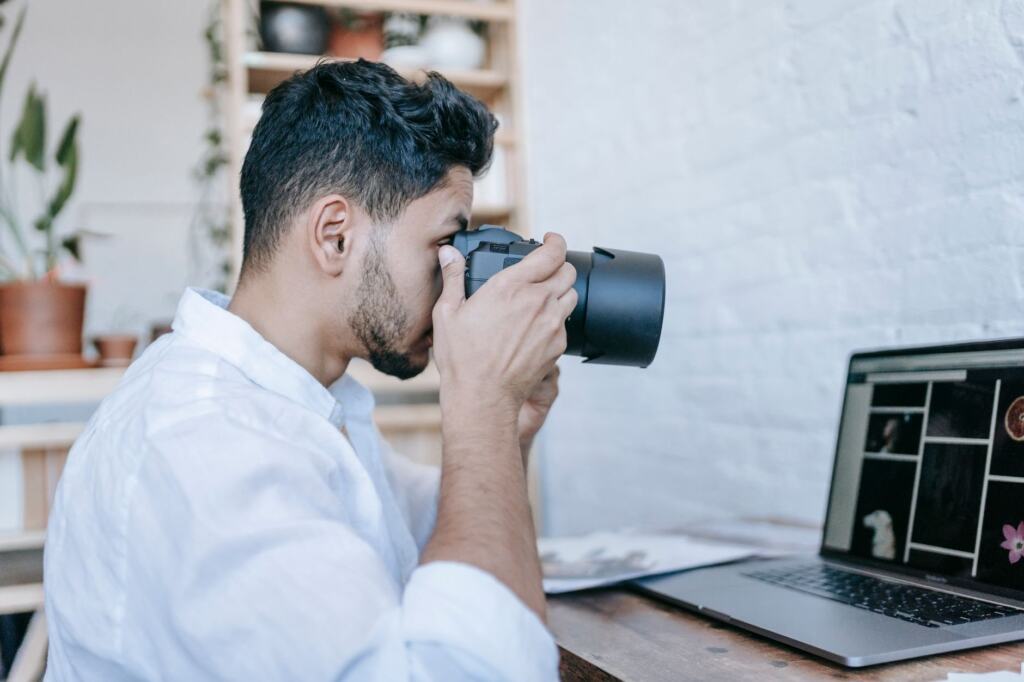
Smith recommends a separate page for each genre you want to offer. Each page can carry examples, prices and answers to common questions. He warns that you are unlikely to get work for a service you are not showing example photographs for.
Registration, structure and tax setup
Registration is the step where local rules matter most. The NYIP lists choosing the right business structure and registering the business among the launch steps, along with obtaining any licences required. Those instructions are general rather than specific to one country.
For a photographer based in Italy, confirm with the Agenzia delle Entrate or a commercialista how to open a partita IVA and which tax regime fits your expected income. Do this before you issue a first invoice, since it shapes how you price, what you set aside for tax and how you keep records. Finish it before you spend heavily on gear, because the tax treatment affects the real cost of each purchase.
Getting found and what to do next
A finished portfolio and website do not bring clients on their own. Smith’s warning applies: if nobody knows you exist, you will never get any work. Marketing therefore belongs in the budget from the start, in proportion to income as shown in the cost table.
Photographers launching alongside a product line can compare notes with the sequence in How To Start A Jewelry Business In 2026: A Practical Step-By-Step Guide To Launching And Growing Your Brand. The marketing, pricing and registration questions overlap even though the products differ.
Frequently asked questions
Should I offer free or discounted sessions at the start?
They are a common way to build experience and get your name out, according to the NYIP. Use them to fill portfolio gaps in the genres you plan to sell, then move to the prices your budget requires.
Do venues ask photographers for liability insurance?
Certain venues and private locations may require proof of liability insurance from vendors, according to Putnam. Check requirements before booking a location-based shoot.
Does an EIN apply to a photographer in Italy?
An EIN is a free US federal tax ID issued by the IRS. It belongs to US setups, so an Italian photographer should ask the Agenzia delle Entrate or an accountant what their own registration requires.
Do I need a contract for a friend or a family member?
Yes. The advice that any session where you take pictures needs a contract makes no exception for people you know.